



• avatar 1 runtime
  • avatar 1 runtime
  • avatar 1 runtime
  • avatar 1 runtime
  • avatar 1 runtime
Credit card

Hotel provides a serene escape from the city buzz,

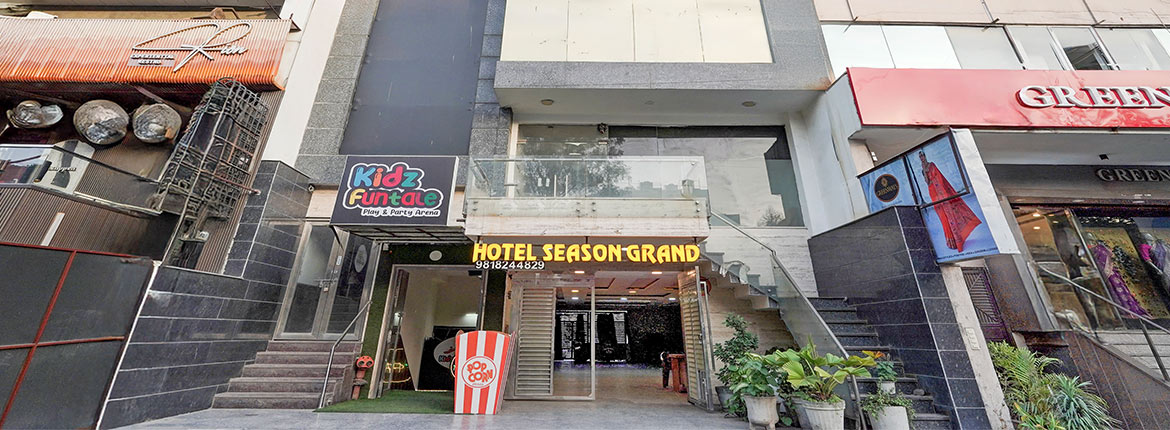
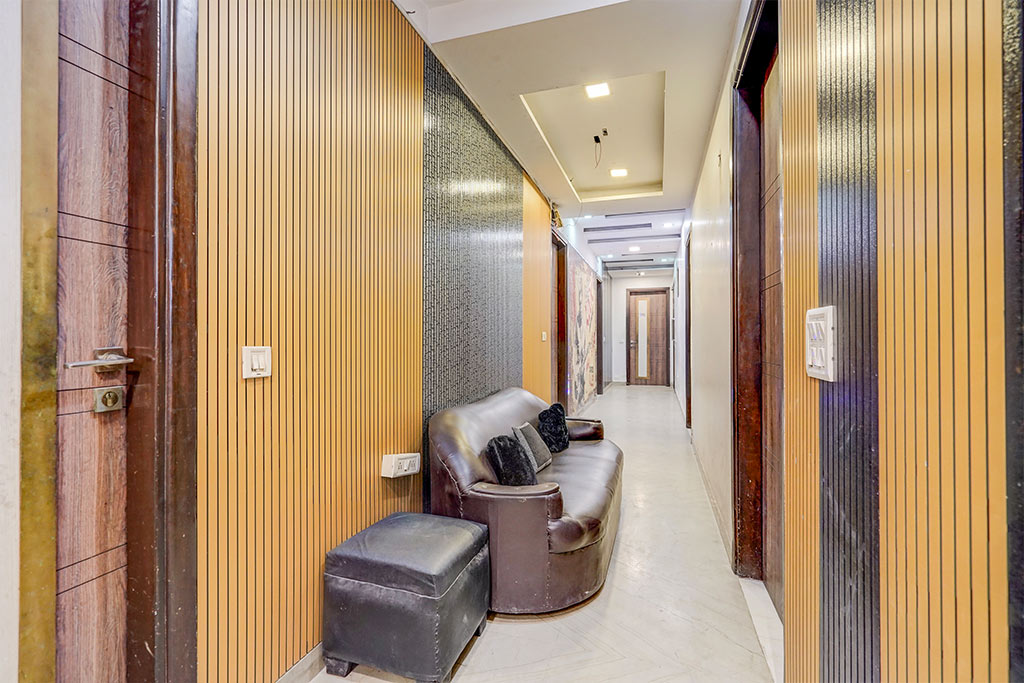
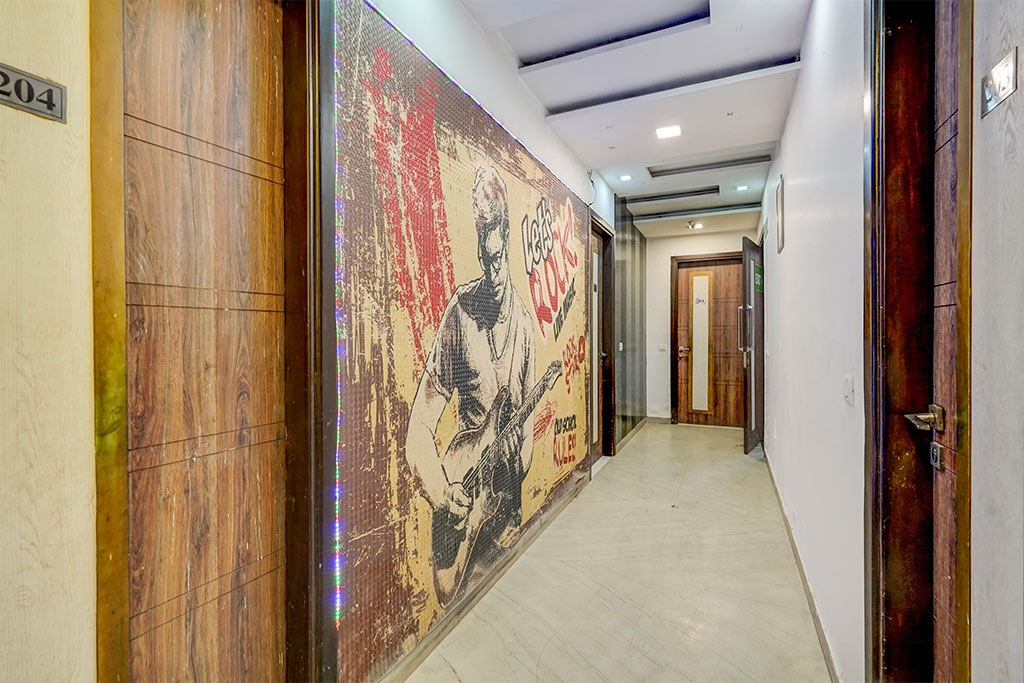
Nestled in the upscale neighborhood of Pitampura, Delhi, Hotel Season Grand

Hotel Season Grand offers a welcoming stay for all types of travelers — students, leisure tourists, and business professionals alike. With a prime location near the metro station and surrounded by luxury markets, educational hubs, and cultural hotspots, our hotel is the ideal choice for a comfortable and well-connected experience in the capital.
avatar 1 runtime

Stay in Style

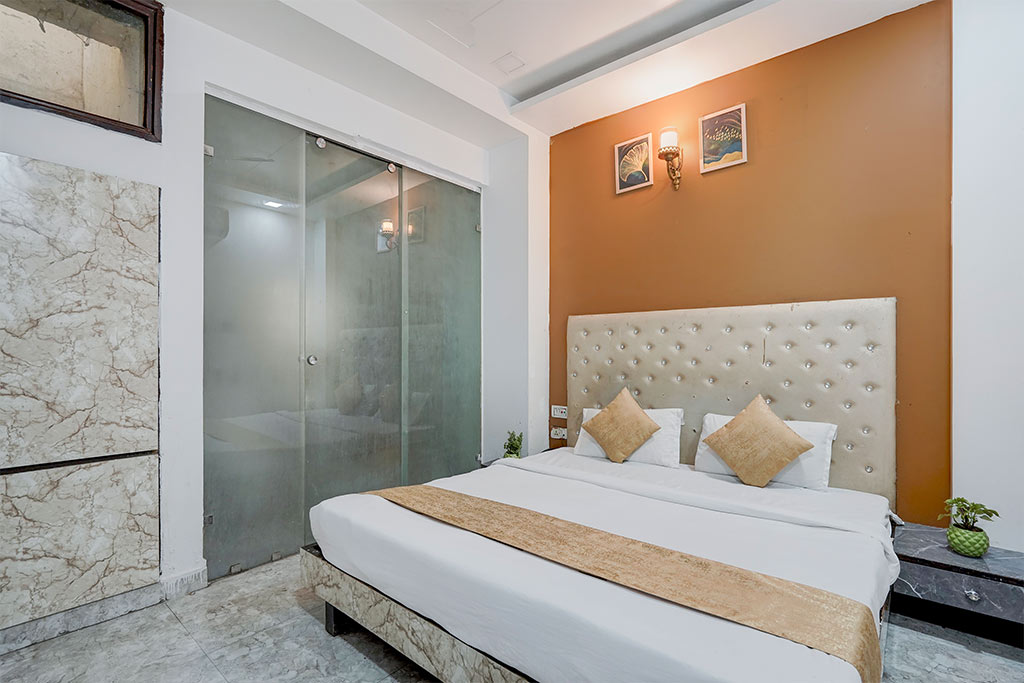
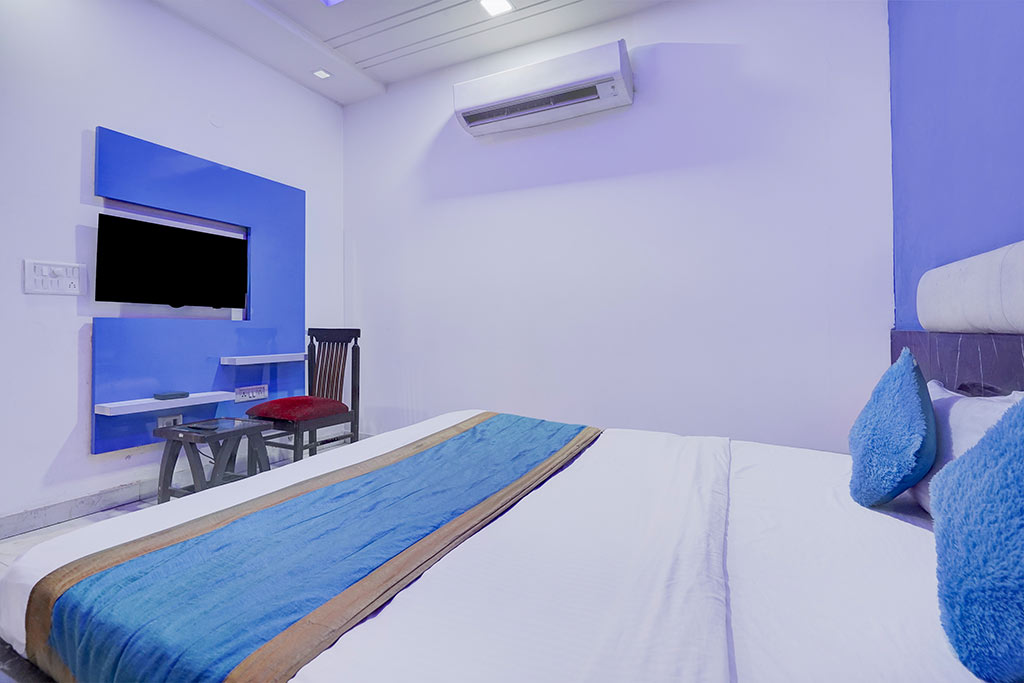
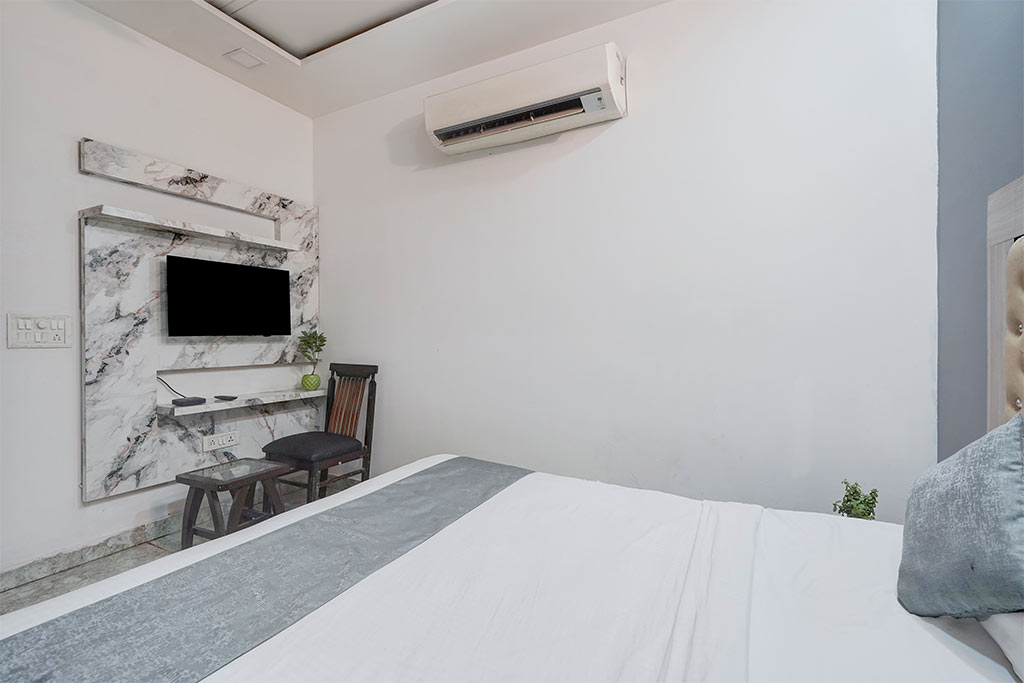
Choose from our well-appointed Deluxe, Executive, and Suite rooms designed with modern amenities and elegant interiors.

avatar 1 runtime

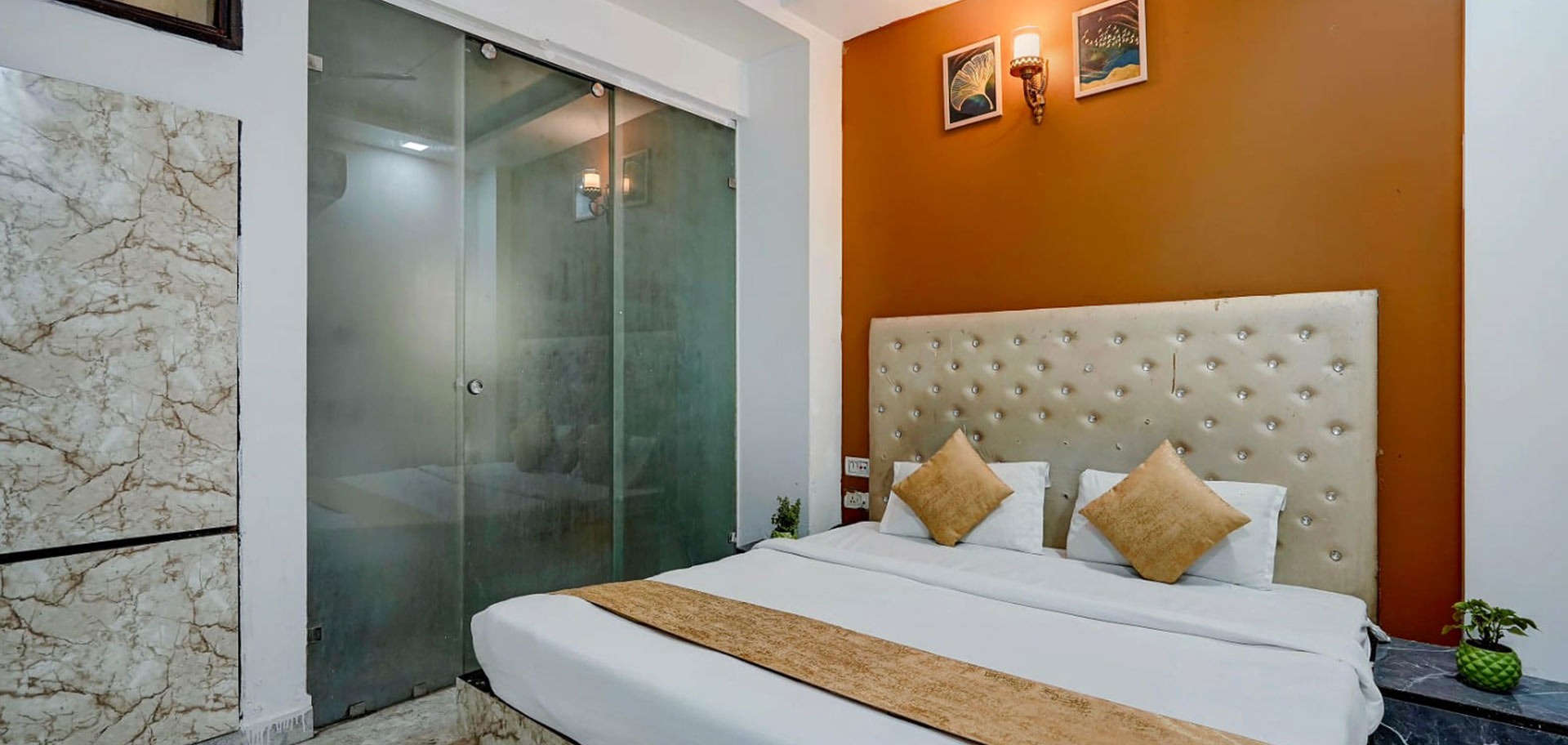
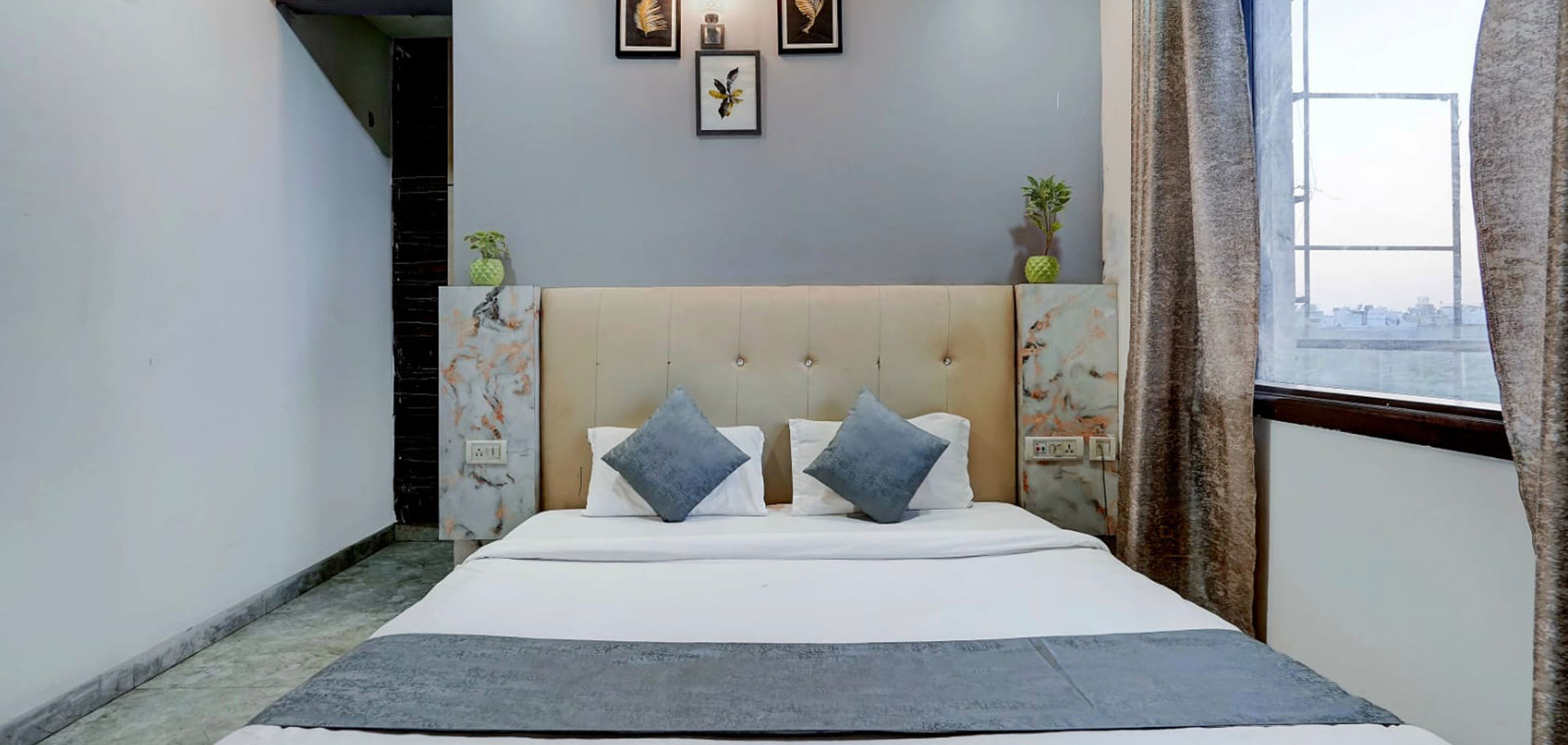
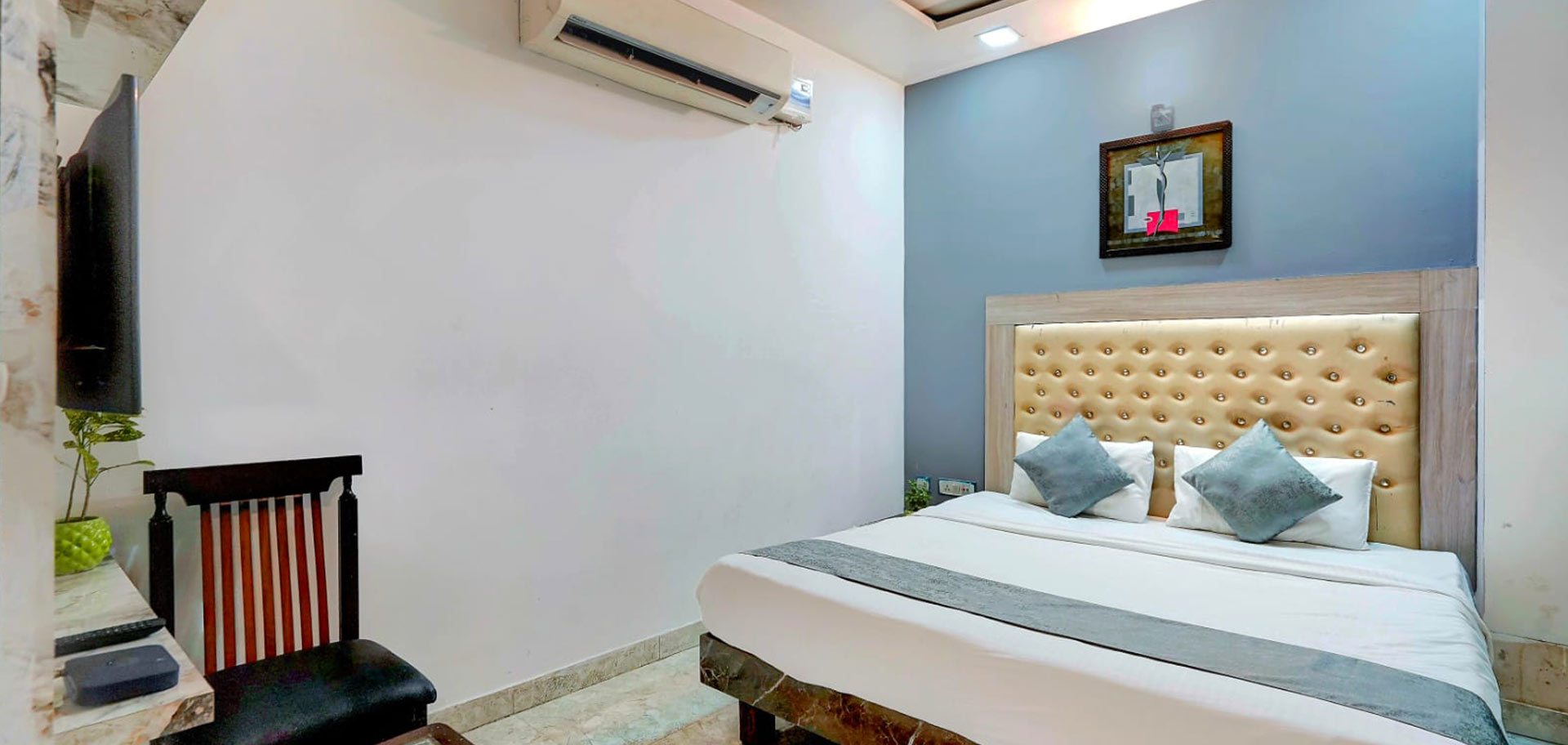
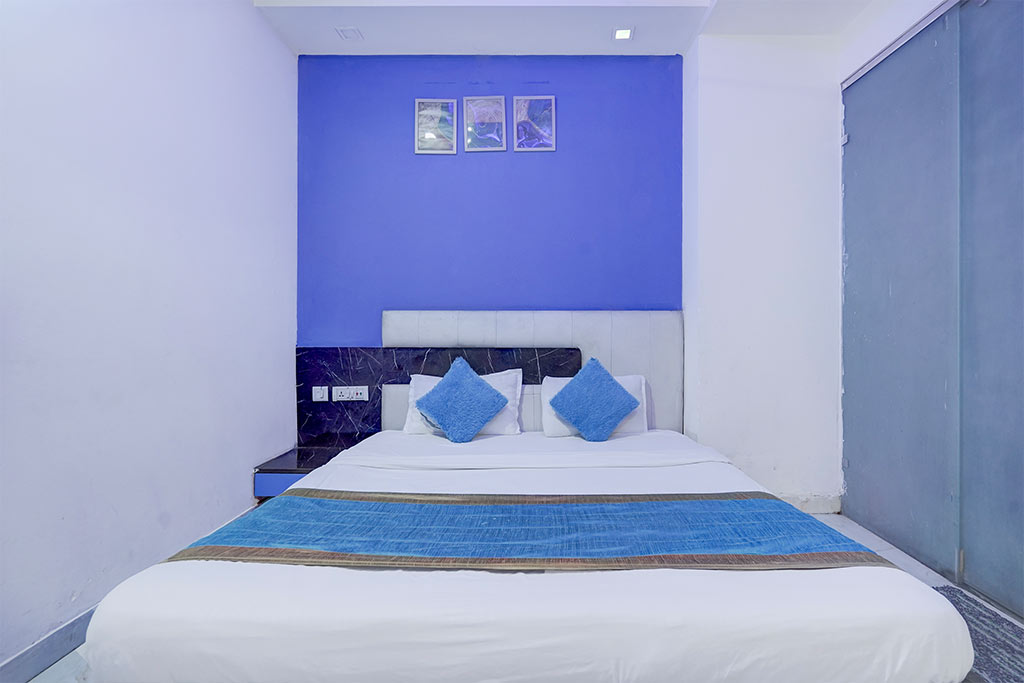
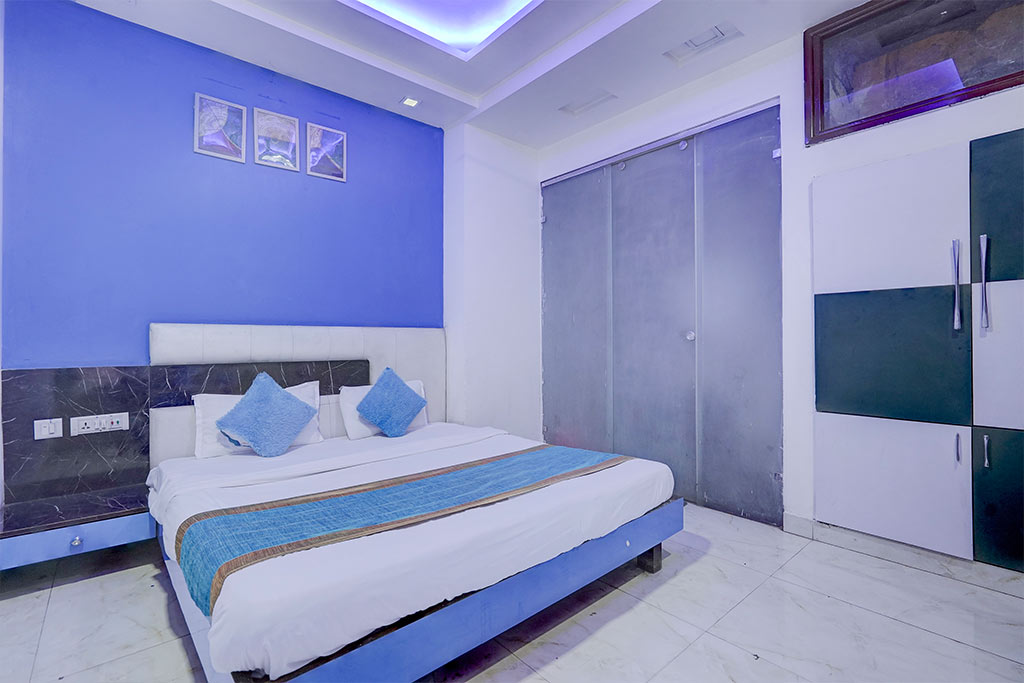
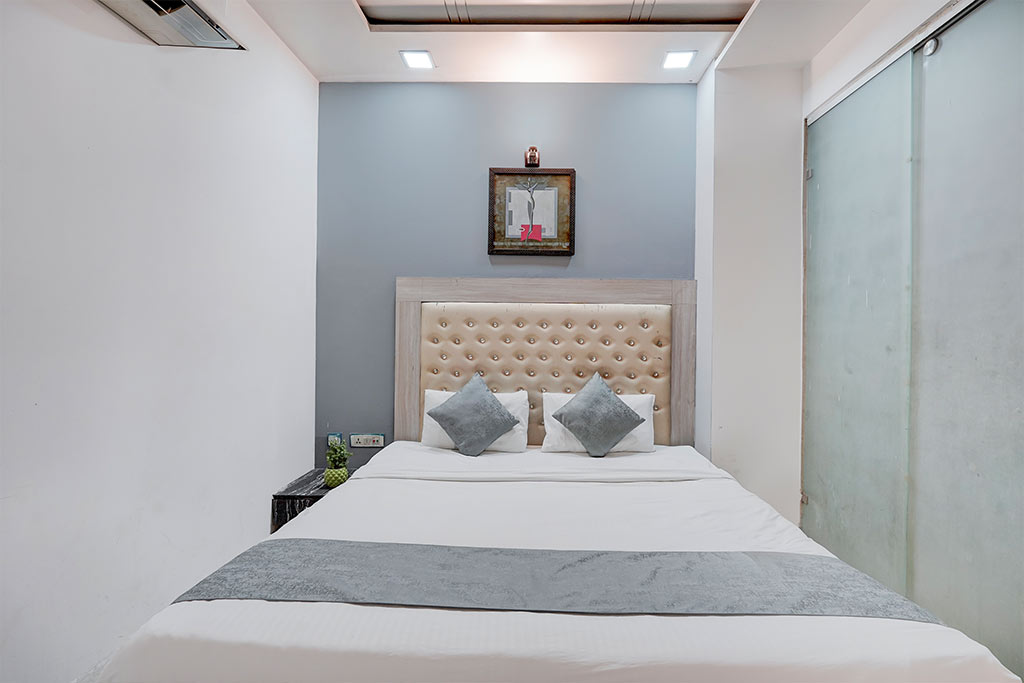
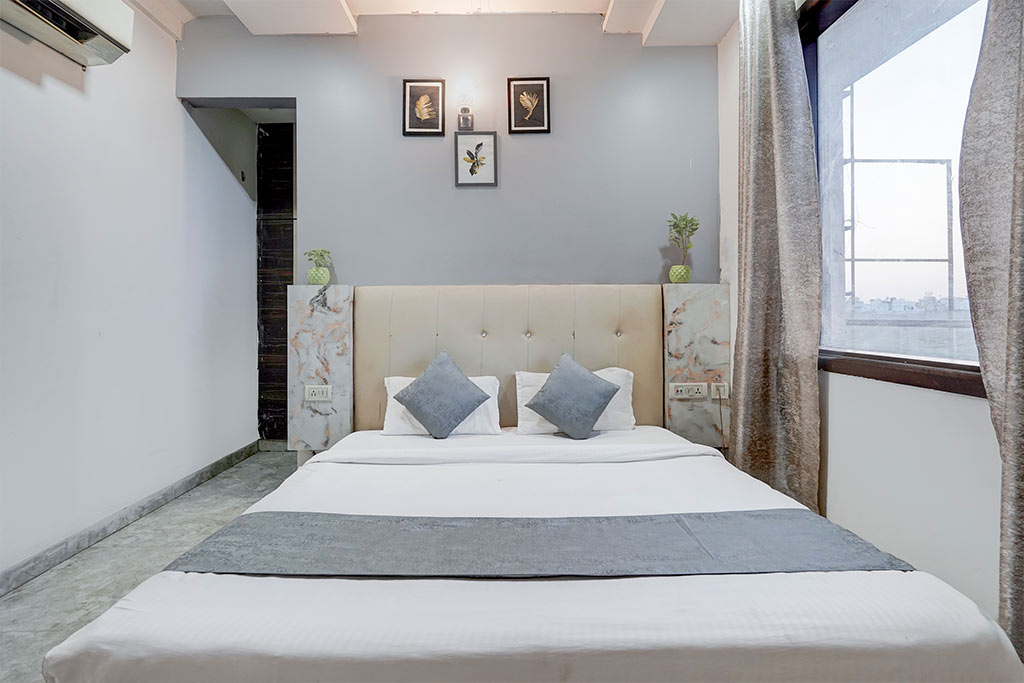
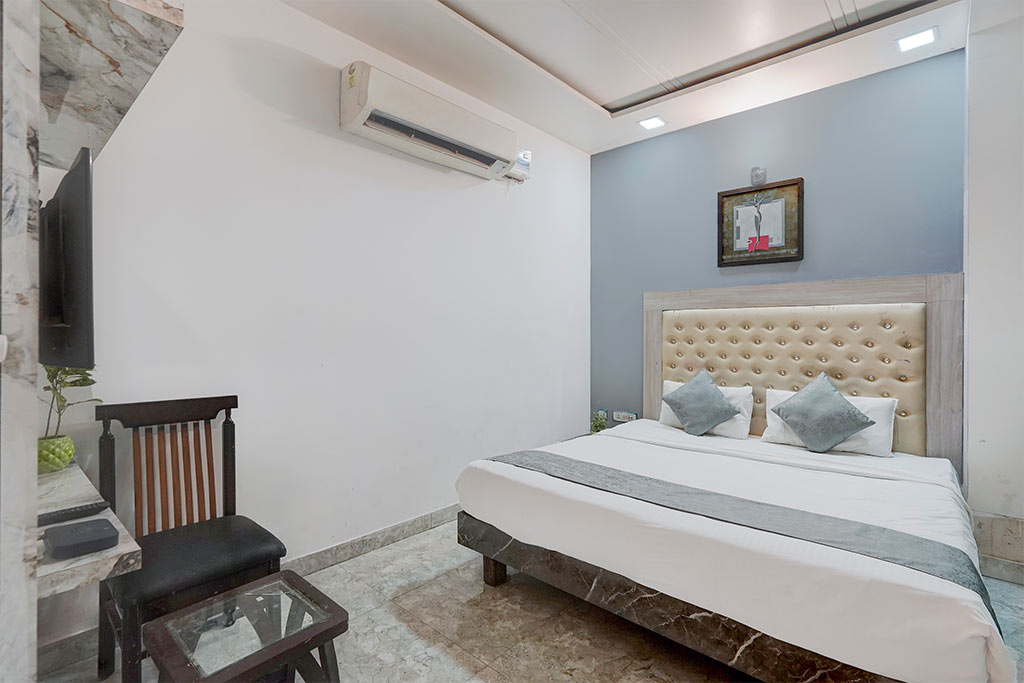
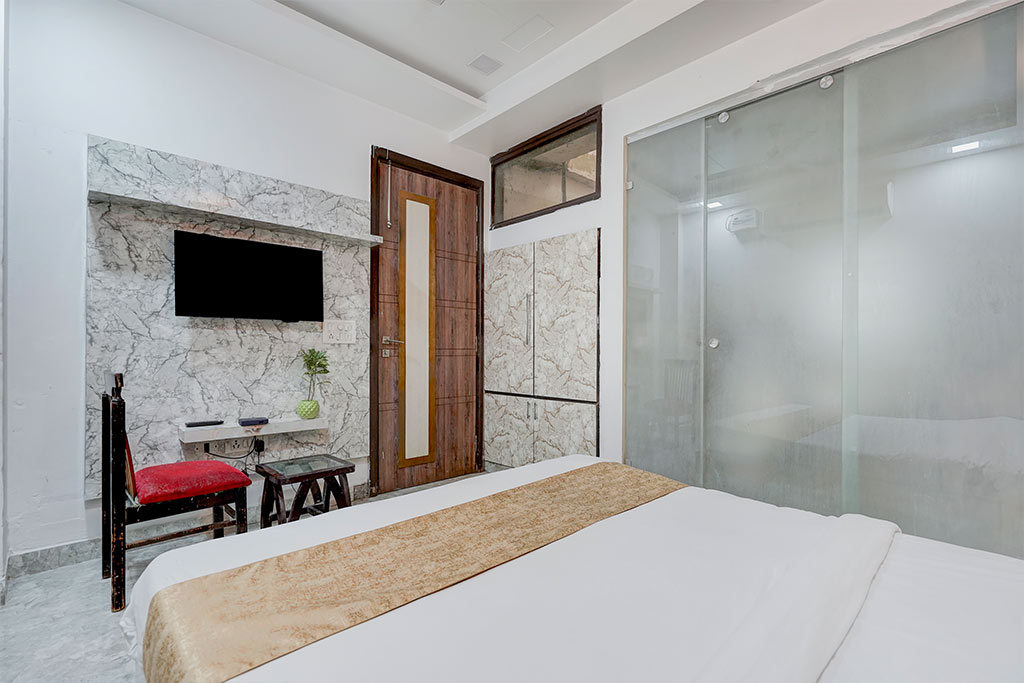
Double Pax Room
Comfortable Stay for Two

INR 1500 per night

Our Double Pax Room is designed for couples, solo travelers, or friends seeking a cozy yet functional space. Thoughtfully furnished with modern amenities and elegant interiors, this room offers the perfect blend of comfort and convenience.

  • Queen-size or Twin Beds
  • Air Conditioning
  • Smart LED TV
  • High-Speed Wi-Fi

Book Now

The Groundbreaking Runtime of Avatar 1: A Technical Deep Dive**

The runtime of Avatar 1 was a groundbreaking achievement in film production, showcasing the power of distributed computing and custom rendering software. The film’s success demonstrated the importance of investing in high-performance computing infrastructure and pushed the boundaries of what is possible in visual effects.

Before diving into the specifics of Avatar 1’s runtime, let’s define what runtime means in the context of film production. Runtime refers to the length of time it takes to render, or compute, a single frame or a sequence of frames in a movie. In other words, it’s the time it takes for a computer to generate a single image or a series of images that make up a movie. Runtime is an essential aspect of film production, as it determines how long it takes to complete a project and how much computational power is required.

As we look to the future of filmmaking, it’s clear that runtime will continue to play a critical role in the development of visually stunning movies. The innovations developed during the production of Avatar 1 will continue to inspire new generations of filmmakers and technologists, driving the industry forward and enabling the creation of even more breathtaking cinematic experiences.

Avatar 1’s runtime was estimated to be around 120-150 minutes, which is relatively standard for a feature film. However, the complexity of the film’s visuals, combined with the need to render photorealistic characters, environments, and special effects, made the runtime much longer than usual. In fact, it took around 10-15 hours to render a single frame of the movie, which is an incredibly long time considering that a typical film has around 100,000-200,000 frames.

James Cameron’s 2009 film, Avatar, was a game-changer in the world of cinema. The movie’s stunning visuals, immersive 3D experience, and engaging storyline captivated audiences worldwide, making it one of the highest-grossing films of all time. One of the key factors that contributed to Avatar’s success was its innovative use of technology, particularly in the area of runtime. In this article, we’ll take a closer look at the runtime of Avatar 1 and explore the technical marvels that made it possible.

To overcome the challenges of Avatar 1’s runtime, Cameron and his team turned to a distributed computing network. They built a massive computer cluster, consisting of over 1,000 processors, which worked together to render the film’s frames. This network, known as the “Render Farm,” was capable of processing vast amounts of data in parallel, significantly reducing the overall runtime.

The innovations developed during the production of Avatar 1 have since been applied to numerous other films, including sequels to Avatar, The Hobbit, and The Lord of the Rings. The film’s influence can also be seen in the development of new technologies, such as cloud rendering and real-time rendering.
Perfect for Everyone

No matter the reason for your visit, our versatile spaces and thoughtful amenities cater to every traveler’s needs.

Hotel Facilities

vacuum

General Facilities

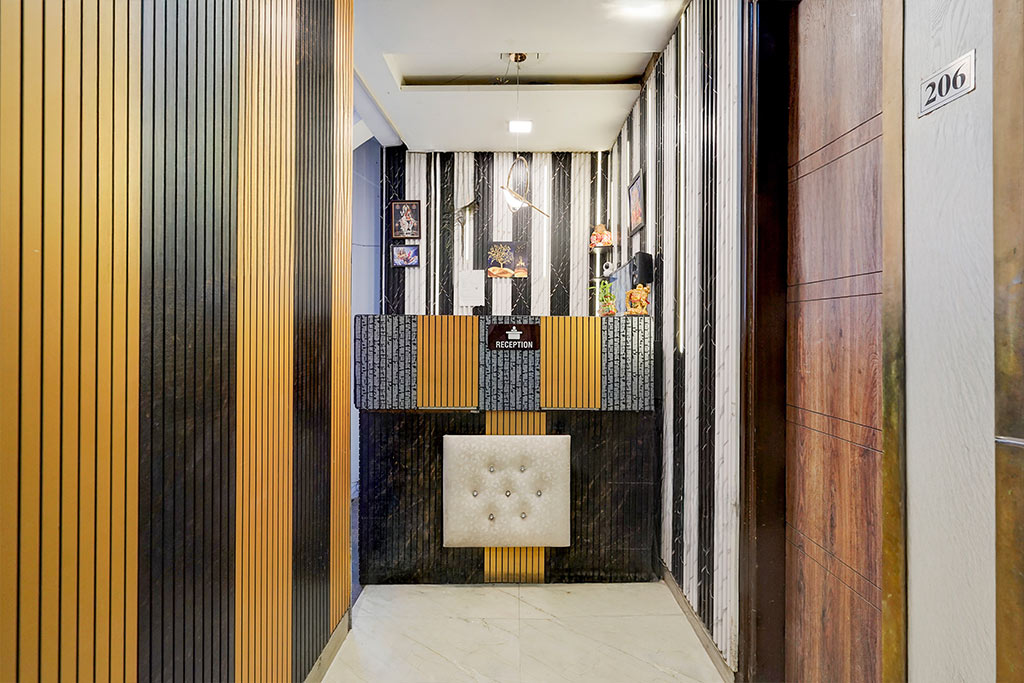
  • 24-Hour Front Desk
  • Express Check-in/Check-out
  • Daily Housekeeping
  • Luggage Storage
  • Elevator Access
  • Power Backup
person

Connectivity

  • Free High-Speed Wi-Fi Throughout the Property
  • Business Center (Printing/Scanning Available)
bed

Food & Beverage

  • In-Room Dining Service
  • On-Site Restaurant / Breakfast Available
  • Complimentary Mineral Water
coffee

Room Comfort

  • Air-Conditioned Rooms
  • Flat-Screen Smart TVs
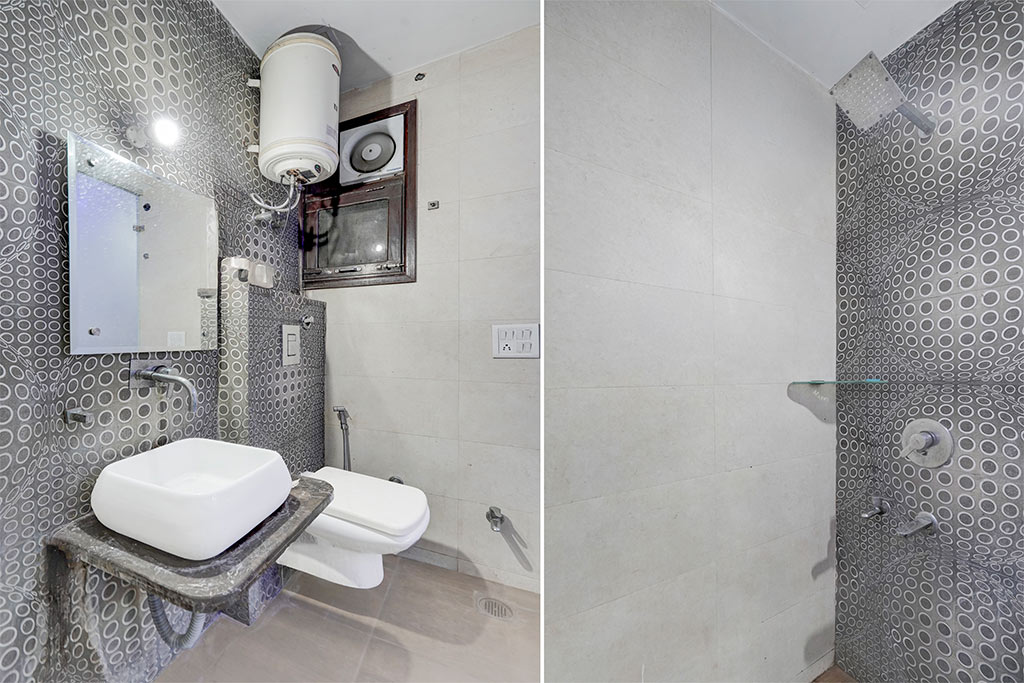
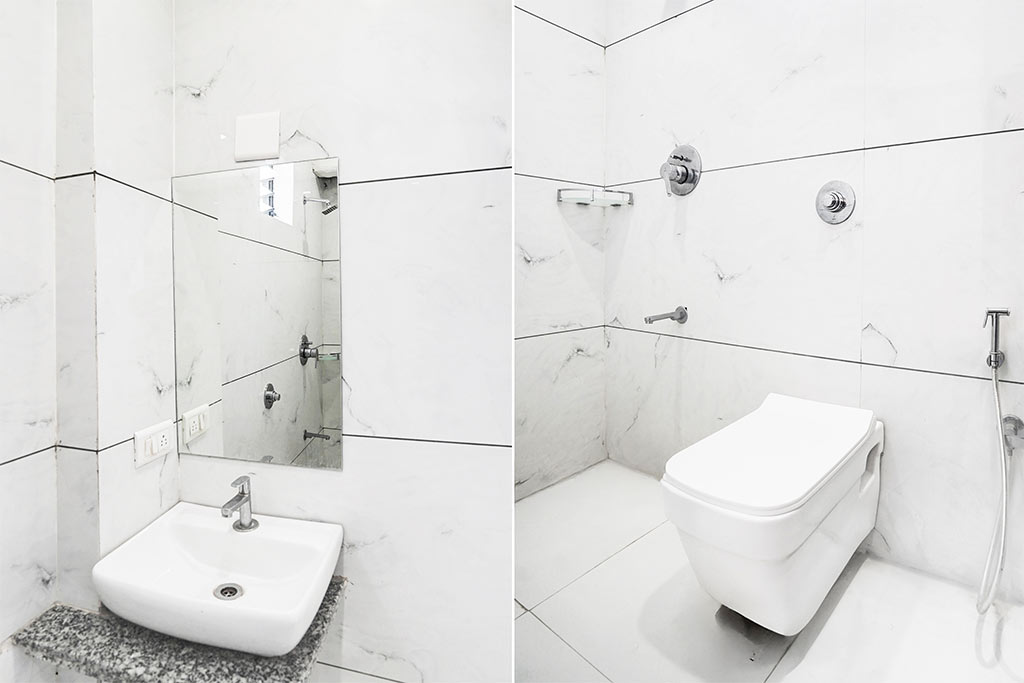
  • Attached Private Bathrooms with Hot/Cold Water
  • Fresh Towels & Toiletries
  • Wardrobe & Work Desk
card_travel

For Business Travelers

  • Meeting/Conference Room
  • High-Speed Internet Access
  • Comfortable Workspaces in Rooms
card_travel

For Leisure & Tourist Guests

  • Travel Desk / Tour Assistance
  • Nearby Metro Access
  • Easy Reach to Shopping & Cultural Spots

Location

Situated near the metro station and surrounded by luxury markets,Hotel Season Grand - Pitampura is positioned in one of the most well-connected and upscale neighborhoods of Delhi. From high-end wedding shopping destinations to renowned educational institutions, everything is just a few minutes away.

  • Metro Station – 2 mins walk
  • Luxury Shopping Markets – 5 mins
  • Parks & Cultural Venues – Within 1 km
  • Education Institutions – Walking distance

1 Runtime - Avatar

The Groundbreaking Runtime of Avatar 1: A Technical Deep Dive**

The runtime of Avatar 1 was a groundbreaking achievement in film production, showcasing the power of distributed computing and custom rendering software. The film’s success demonstrated the importance of investing in high-performance computing infrastructure and pushed the boundaries of what is possible in visual effects.

Before diving into the specifics of Avatar 1’s runtime, let’s define what runtime means in the context of film production. Runtime refers to the length of time it takes to render, or compute, a single frame or a sequence of frames in a movie. In other words, it’s the time it takes for a computer to generate a single image or a series of images that make up a movie. Runtime is an essential aspect of film production, as it determines how long it takes to complete a project and how much computational power is required. avatar 1 runtime

As we look to the future of filmmaking, it’s clear that runtime will continue to play a critical role in the development of visually stunning movies. The innovations developed during the production of Avatar 1 will continue to inspire new generations of filmmakers and technologists, driving the industry forward and enabling the creation of even more breathtaking cinematic experiences.

Avatar 1’s runtime was estimated to be around 120-150 minutes, which is relatively standard for a feature film. However, the complexity of the film’s visuals, combined with the need to render photorealistic characters, environments, and special effects, made the runtime much longer than usual. In fact, it took around 10-15 hours to render a single frame of the movie, which is an incredibly long time considering that a typical film has around 100,000-200,000 frames. The Groundbreaking Runtime of Avatar 1: A Technical

James Cameron’s 2009 film, Avatar, was a game-changer in the world of cinema. The movie’s stunning visuals, immersive 3D experience, and engaging storyline captivated audiences worldwide, making it one of the highest-grossing films of all time. One of the key factors that contributed to Avatar’s success was its innovative use of technology, particularly in the area of runtime. In this article, we’ll take a closer look at the runtime of Avatar 1 and explore the technical marvels that made it possible.

To overcome the challenges of Avatar 1’s runtime, Cameron and his team turned to a distributed computing network. They built a massive computer cluster, consisting of over 1,000 processors, which worked together to render the film’s frames. This network, known as the “Render Farm,” was capable of processing vast amounts of data in parallel, significantly reducing the overall runtime. Runtime refers to the length of time it

The innovations developed during the production of Avatar 1 have since been applied to numerous other films, including sequels to Avatar, The Hobbit, and The Lord of the Rings. The film’s influence can also be seen in the development of new technologies, such as cloud rendering and real-time rendering.
avatar 1 runtime
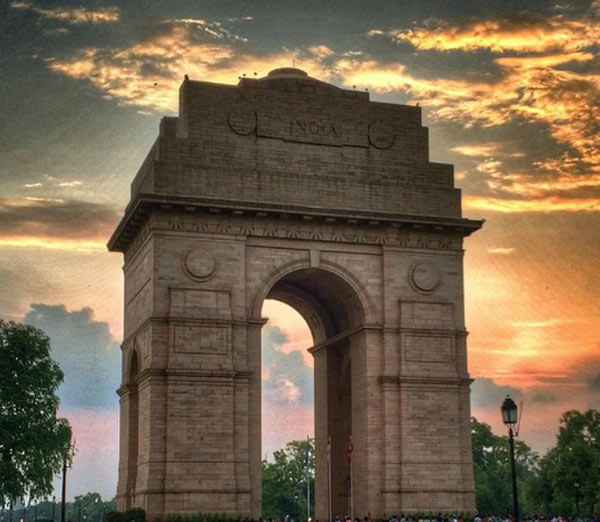
India Gate
avatar 1 runtime
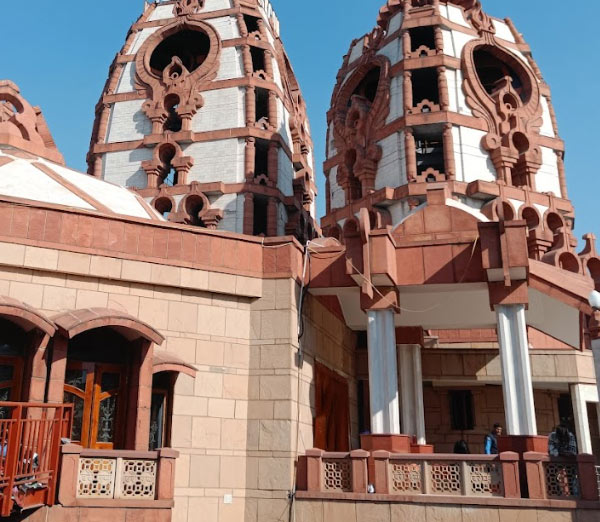
ISKON Temple
avatar 1 runtime
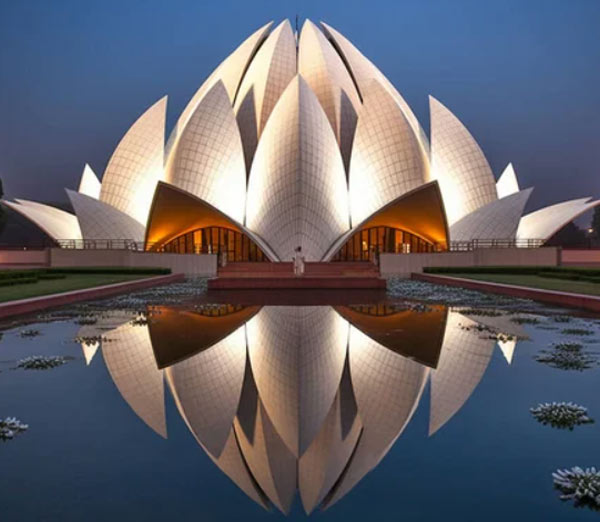
Lotus Temple
avatar 1 runtime
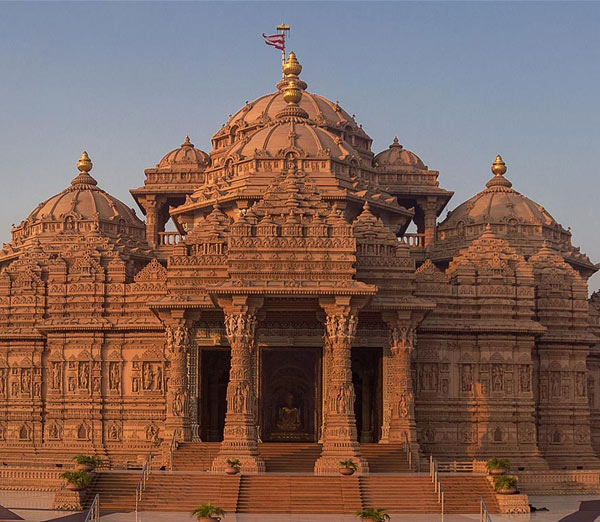
Akshardham Temple
avatar 1 runtime
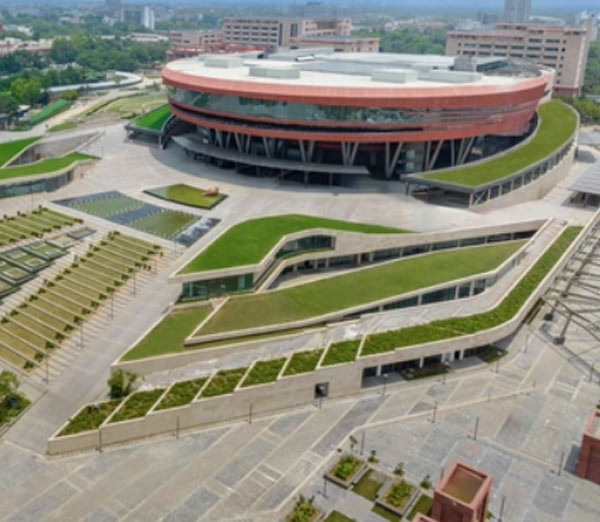
Pragati Maidan
avatar 1 runtime
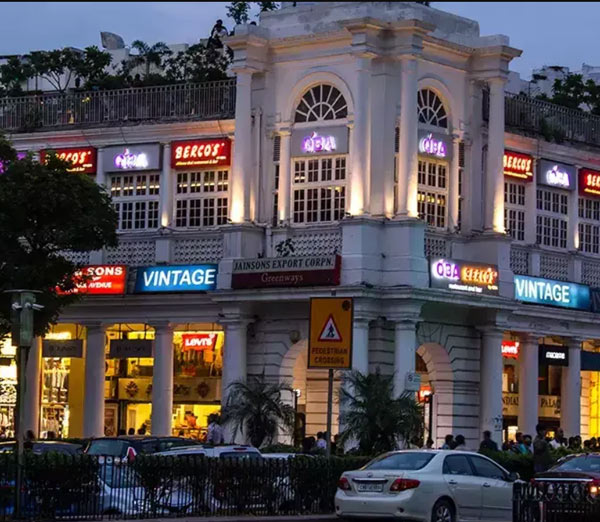
Cannaught Place