
Encuentra de forma automática horarios semanales para centros educativos de cualquier tipo y complejidad. Orientado a colegios, institutos de enseñanza secundaria, bachillerato, centros de formación profesional, educación superior, universidades, facultades, escuelas de arte, conservatorios de música, etc.
Ofrecemos servicio a cada usuario a través de un software de calidad. Nuestro equipo te acompañará hasta la obtención de la solución para tu horario, con la experiencia de más de 25 años ayudando a miles de centros de enseñanza de todo el mundo.
Organiza el horario para que cumpla tus requisitos y se optimice con tus criterios. Busca y encuentra un compromiso que permita (1) incrementar el rendimiento de los alumnos, (2) mejorar el aprovechamiento de las aulas, y (3) ofrecer mayor satisfacción al profesorado en su trabajo.
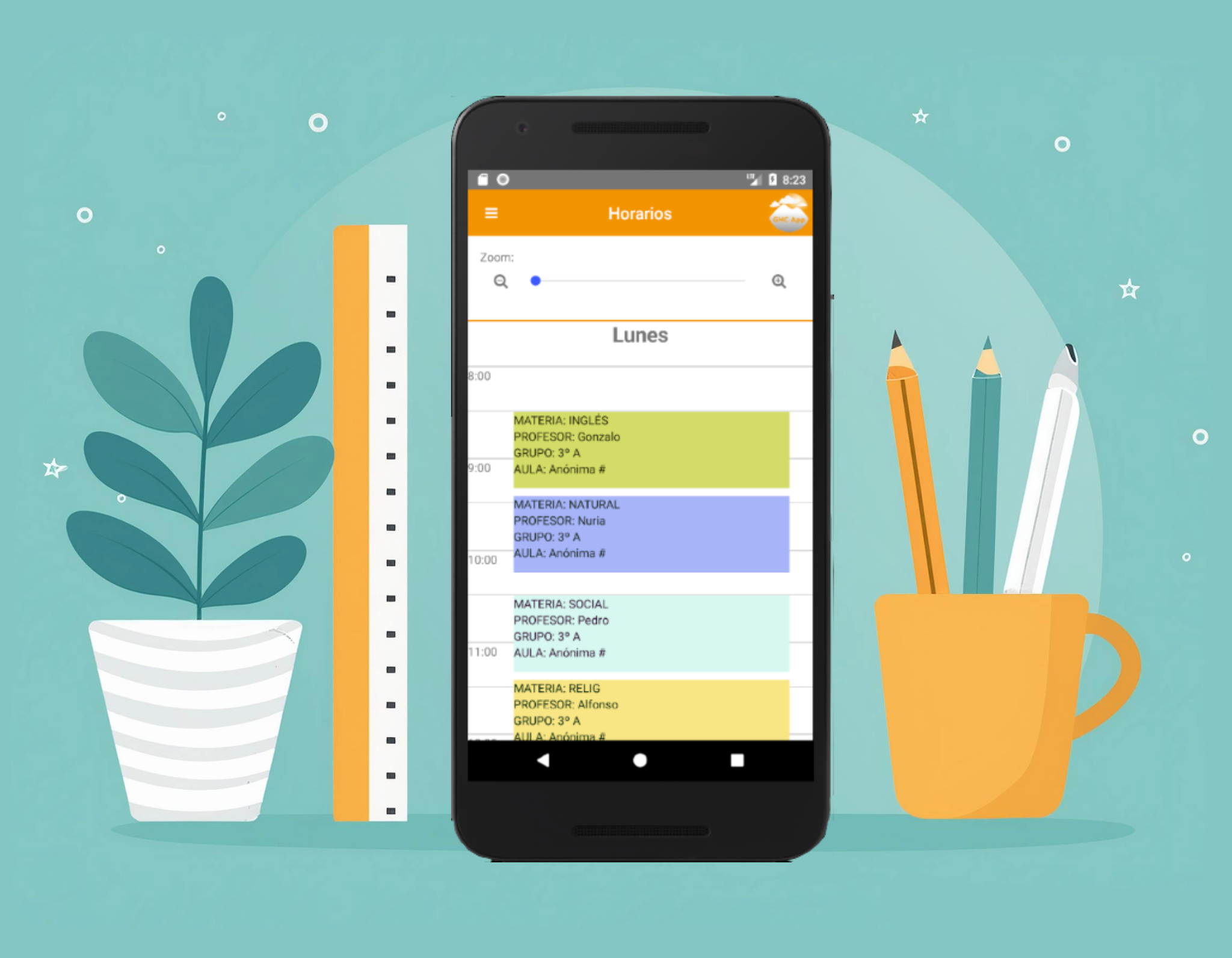
Utiliza nuestra aplicación web y móvil para colaborar en la elaboración y la gestión del día a día del horario. Publica y visualiza los horarios sobre el calendario con GHC App, gestiona las ausencias y suplencias del profesorado y genera informes de desempeño laboral.
The “Jolene Devil” - a term that has been circulating online, particularly among fans of Dolly Parton’s iconic song “Jolene.” But what exactly does it refer to? Is it a literal devil, or a metaphorical representation of something darker? In this article, we’ll dive into the world of “Jolene Devil” and explore its possible meanings.The Origins of “Jolene Devil”**
At the same time, the “Jolene Devil” also represents a kind of cultural nostalgia - a nod to the classic country music of the past. In an era where music has become increasingly fragmented and diverse, the “Jolene Devil” serves as a reminder of the enduring power of Dolly Parton’s songwriting and the timeless themes she explores.

Over the years, “Jolene” has become a cultural phenomenon, with countless covers, parodies, and references in popular culture. But it wasn’t until the rise of social media that the term “Jolene Devil” started gaining traction. Fans of the song began using the hashtag #JoleneDevil to describe the titular character as a kind of seductive, manipulative force - almost like a devil or a femme fatale.
The “Jolene Devil” - a term that has been circulating online, particularly among fans of Dolly Parton’s iconic song “Jolene.” But what exactly does it refer to? Is it a literal devil, or a metaphorical representation of something darker? In this article, we’ll dive into the world of “Jolene Devil” and explore its possible meanings.The Origins of “Jolene Devil”**
At the same time, the “Jolene Devil” also represents a kind of cultural nostalgia - a nod to the classic country music of the past. In an era where music has become increasingly fragmented and diverse, the “Jolene Devil” serves as a reminder of the enduring power of Dolly Parton’s songwriting and the timeless themes she explores.

Over the years, “Jolene” has become a cultural phenomenon, with countless covers, parodies, and references in popular culture. But it wasn’t until the rise of social media that the term “Jolene Devil” started gaining traction. Fans of the song began using the hashtag #JoleneDevil to describe the titular character as a kind of seductive, manipulative force - almost like a devil or a femme fatale.
15176